
33 Essential Tips for travelling to Italy
I feel like every summer my instagram feed turns into a highlight reel of Italian holidays. Gelato in hand, pizza and pasta galore, and endless coastal views. It’s like everyone I know is having their dream summer in Italy. So, what’s the deal? Why does it feel like Italy is always the place to be?
After travelling to Italy multiple times, I can tell you why. Italy really does have something for everyone. Beach lover? You’ll find stunning coastlines and pristine beaches. History nerd? You’ll be in heaven. Foodie? Pasta, gelato, pizza, and so much more! If you’re into adventure or nature, there’s plenty of that too. And, depending on when you visit, it can even be surprisingly affordable.
But here’s the thing. Even after a handful of trips, I still find myself making the same small mistakes. So whether this is your first time visiting or you’re going back for round three, I’ve put together some essential tips for travelling to Italy. Trust me, these are things you’ll want to know before you pack your bags.
*There may be affiliate links in this post. Read my privacy/disclosure policy to learn more.
Essential Tips for travelling to italy

Almafi Coast, Italy
Trip Planning and Timing
1. Check your passport expiry date
This one seems obvious, but I’ve seen way too many people make this mistake. If you’re coming from the U.S., your passport needs to be valid for at least six months after your return date. Not the departure date, the return date. I know a few people who had to cancel their dream trip because they didn’t double-check their passport.
Passport renewals can take anywhere from 8 to 12 weeks, so don’t leave this to the last minute. Also, starting in 2026, you’ll need an online travel authorisation (ETIAS) to enter Italy and most of Europe. It’s not a visa, but it’s something you’ll need to apply for before your trip.
2. Avoid the Summer Rush (Especially August)
Let’s talk about something important, the timing of your trip. I’ll be honest, I don’t get the hype around visiting Italy in the middle of summer. It’s hot, it’s humid, and it’s packed with tourists. Prices go up, lines get longer, and sightseeing becomes more of a chore than a joy.
August is especially rough. It’s when Italians take time off for Ferragosto, their major summer holiday. Many shops and restaurants close. Accommodations get expensive. You’ll be sweating a ton and spending more while getting less out of your trip.
If you’re dreaming of swimming in the Mediterranean, try going in late May and early June, or early September. The weather is still perfect for beach days, but without the peak-season chaos. You’ll thank yourself later.
I have a whole post about visiting Sardinia in May that you can read here.

Camposanto, Pisa
3. Don't Try to See All of Italy in One Trip
One of the biggest mistakes I see people make is trying to visit too many cities in one trip. Italy is bigger than you think. Getting around takes time, and rushing from one place to another isn’t fun.
I always recommend staying in each city for at least two or three full days. That gives you enough time to explore without feeling like you’re racing around. Trust me, running from train to train doesn’t make for a relaxing vacation.
As someone who has mastered the weekend getaway, even I have to admit that some places in Italy just aren’t meant to be squeezed into a quick stop.
4. Don’t underestimate how long major sights will take
Another one of my tips for travelling to Italy? Don’t overschedule. It’s so tempting to squeeze in every museum, church, and piazza in a single day, but that plan will burn you out fast.
Places like the Vatican Museum are massive. You might think you’ll be in and out in a couple hours, but it could easily take four or more. Plus, security lines can be long, and some buildings have timed entries.
Give yourself a buffer. I always add an extra hour or two to whatever time I think I’ll need. If you’re tight on time, consider booking a tour. A good guide will show you the highlights, skip the lines, and make sure you don’t miss the best parts.
5. Your entry ticket usually means ONE entry
Here’s something I learned the hard way. Most tourist site tickets only allow a single entry. That means if you leave, maybe to grab lunch or get some air, you likely can’t go back in.
On my last trip to Rome, I had combo tickets for the Colosseum and Roman Forum. We went to the Forum in the morning, took a break for lunch, then visited the Colosseum at our scheduled time. Afterward, we tried to re-enter the Forum to explore more, but they wouldn’t let us back in because we had already entered with the ticket that morning.
Luckily, it wasn’t too crowded, and they were nice to make an exception for us. But don’t count on that. Plan to see everything in one go, especially if you love to take your time like I do.

Riomaggiore, Italy
6. There’s No Such Thing as “Skip-the-Line” (Usually)
VUnless you book a guided tour, there’s really no such thing as a true “skip-the-line” ticket. When you buy a ticket in advance, all you’re really doing is skipping the line at the ticket counter, not the line to enter the site.
I’ve seen this trend all over Italy where websites will advertise “skip-the-line” tickets at a higher price, but they offer nothing extra.
Save your money and either book directly through the official website or join a legit guided tour (like through Viator or Get Your Guide) that includes fast-track entry. Avoid third-party tickets with inflated prices that promise something they can’t deliver.
7. Book Major Attractions in Advance
I get it. I love to keep things spontaneous when I travel too. But when it comes to popular sites in Italy, you have to plan ahead. If you’re hoping to visit places like the Vatican Museums, the Uffizi Gallery, or the Colosseum, book your tickets early. I’m talking weeks in advance, even during the off-season.
If you wait until the last minute, chances are you won’t get in. It’s one of the most crucial tips for travelling to Italy if you want to avoid disappointment.
8. Don’t Just Stick to the Tourist Hotspots
We all know iconic locations like Rome, Florence, and Venice. And yes, they’re amazing. But Italy has so many hidden gems that deserve your attention too.
Wander off the main streets. Explore smaller towns. Hop on a train to a city you’ve never heard of. You’ll be surprised how much charm and beauty you’ll discover. Some of my best memories came from getting lost and following my curiosity, not a guidebook.
So don’t be afraid to take the road less travelled. That’s where the magic often is.
What to Pack for Italy

Pompei, Italy
9. Comfortable Shoes Are a Must
Italy’s cobblestone streets are beautiful, but they’re not great for high heels. Leave the cute but uncomfortable shoes at home. You’ll be walking more than you expect, and uneven paths can wear you out fast.
If you have brand new shoes you’ve never worn, now’s not the time to break them in. Function over fashion for this one. Your feet will thank you.
10. Modest Dress Codes for Churches
If you’re travelling to Italy in spring or summer, make sure to pack clothes that are respectful for religious sites. Most churches require that you cover your shoulders and knees to enter. This means no tank tops, short skirts, or short shorts.
On hot days, I bring a light scarf or shawl and a breezy long skirt. That way I can stay cool and still be able to enter. Look up the dress code for the places you plan to visit so you’re prepared.
11. Air Conditioning Isn’t Always a Guarantee
This one always surprises first-time visitors. Not every place in Italy has air conditioning. And even when it’s available, it’s usually a small unit that doesn’t cool the whole room.
If you’re travelling in the summer, check ahead to see if your accommodation has AC. If not, prepare for warmer nights. Bringing a small portable fan might sound extra, but it could be a lifesaver.

Florence, Italy
12. Always have cash on hand
Italy still runs on cash more than you’d expect. In smaller towns or local shops, cards might not be accepted. I recommend carrying at least 50 to 100 euros in cash, just in case.
Stick to small bills and keep a few coins too. Some places don’t have change for larger notes. The best exchange rates are usually through your bank before your trip or at ATMs inside banks once you’re in Italy. Avoid exchanging money at airports or booths with flashy signs as they usually charge high fees.
13. Bring a universal adapter
Italy uses type C and F plugs like most of Europe, but there’s a twist. Older buildings may use type L plugs, which are unique to Italy.
You might not run into them often, but it’s good to be prepared. I once stayed in an older apartment where every outlet was type L. None of my adapters worked. Luckily, the host had a spare, but not everyone will.
A universal adapter which should support type L is a smart addition to your packing list. Better safe than stuck with a dead phone.

Alghero, Sardinia
14. Carry tissues and hand sanitiser with you
As a rule of thumb when travelling, bring a packet of tissues. Public restrooms in Italy often don’t have toilet paper. Sometimes there’s no bidet or soap either. I always carry a small pack of tissues and hand sanitiser in my bag, just in case. It’s such a small thing, but trust me, it’ll save you more than once.
15. Purchase an e-SIM
Trying to figure out phone service while travelling used to stress me out. I used to buy local SIM cards or rely on public Wi-Fi, and both options were annoying and unreliable.
A few years ago, I discovered Airalo when I was travelling in Australia. It completely changed travelling for me. Airalo offers e-SIMs that are super easy to install and very affordable. You can choose a package based on the number of days you’re travelling, which means you’re not locked into a full month if you don’t need it.
I always recommend Airalo to other travellers. It’s hands-down the easiest way to stay connected on the go.
Everyday Essentials

Venice, Italy
16. Bring Coins for public toilets
Public bathrooms in Italy usually charge a small fee, usually between 50 cents and one euro coins. Some may even take cards, but it’s best to carry a few coins with you just in case.
I’ve found that the cleanest restrooms are often in shopping malls. They tend to be well-maintained, and many accept card payments.
17. Stay Hydrated
In several Italian cities, you’ll find potable drinking fountain taps scattered throughout the city. These are clean and totally safe to drink from. They’re perfect for filling up your water bottle on the go.
At restaurants, water is not free unless you ask for tap water. If you just ask for water, you’ll probably get bottled water, and it’ll show up on your bill. Even then, not every place will offer tap water. Also keep in mind that ice is not common and sparkling water is often the default. If you prefer still, be sure to ask for it.
18. Learn Basic Italian Phrases
Speaking even a little Italian goes a long way, not just for politeness, but for avoiding confusion or scams. It’s also helpful in case you encounter someone who doesn’t speak English (which absolutely happens).
Here are a few handy Italian phrases:
- Ciao – Hello/Goodbye
- Buongiorno – Good morning
- Buonasera – Good evening
- Per favore – Please
- Grazie – Thank you
- Scusa/Scusi – Excuse me (informal/formal)
- Parla inglese? – Do you speak English?
- Prego – You’re welcome
- Dov’è il bagno? – Where is the bathroom?
- Quanto costa? – How much does it cost?
- Salute! / Cin cin! – Cheers!
Getting Around Italy by Train

Cinque Terre, Italy
19. Book train tickets in advance
If you love being spontaneous like I do, train tickets is one area where planning ahead really pays off. In Italy, train prices go up as your departure date gets closer.
To save money, book your tickets at least 10 days in advance. And skip the train station ticket counter unless you’re buying a short journey on a local train with fixed prices. The same day prices can be shockingly high.
Also, check out the discounts available online. Some sites offer reduced fares for youth, groups, or early bookings. Always see if you qualify before purchasing a ticket.
20. Tap on the metro with credit card
One thing I love about cities like Milan and Rome is that you can just tap your credit card to enter the metro. It’s so convenient compared to places where you have to deal with ticket machines. No apps, no paper tickets, just tap and go.
21. Know Your Train Options
There are two main train companies in Italy. Trenitalia is the state-owned operator that runs most of the regional trains. Italo is a private company that operates high-speed trains between major cities.
Ticket prices often depend on how fast the train is. Italo tends to be a bit pricier, but it’s fast and comfortable. Check both companies when you’re booking tickets between cities because they use different websites and may have different routes, times or prices.

Vernazza, Italy
22. Validate Your Paper Train Tickets
If you buy a paper train ticket, make sure to validate it before you board. There are small machines at the station where you insert the ticket to get it time-stamped. If you forget to do this, you could get fined.
If you buy your ticket online or through an app, you don’t need to validate it. Just make sure to have it ready for scanning.
23. Tips on Train Booking Apps
Apps like Trainline and Omio are super helpful when booking major train routes in Italy. I use them all the time. But here’s the catch, they don’t always show the smaller regional trains, especially ones that are not operated by Trenitalia or Italo.
If you’re planning to visit smaller towns or lesser-known spots, these apps might miss the most affordable or direct routes. That’s why I always recommend double-checking your journey on Google Maps. You might find a local train that’s faster and much cheaper than what shows up on the booking apps.
For example, if you’re going from Rome to Pompeii, there’s a regional train option that’s faster and cheaper than what you’ll find on Trainline or Omio. In my Pompeii guide, I go into more detail about this and explain exactly how to book the better route from Rome.
Renting a Car in Italy

Rome, Italy
24. Check If Your Car Insurance Covers Italy
If you’re planning to rent a car and rely on your credit card or regular car insurance for coverage, double-check if Italy is included. Many policies exclude coverage in Italy, so you may need to purchase insurance directly from the rental company. Make sure to budget for the cost of daily insurance.
25. You’ll Likely Need an International Driving Permit (IDP)
If you hold a non-EU/EEA driver’s license, it’s recommended, and sometimes required, to get an International Driving Permit (IDP) before renting a car in Italy. It’s easy to obtain, but do it before your trip, as processing can take a week or more.
In the U.S., apply through AAA’s official website. When driving, you’ll need to carry both your home country’s license and the IDP.
Safety & Scams
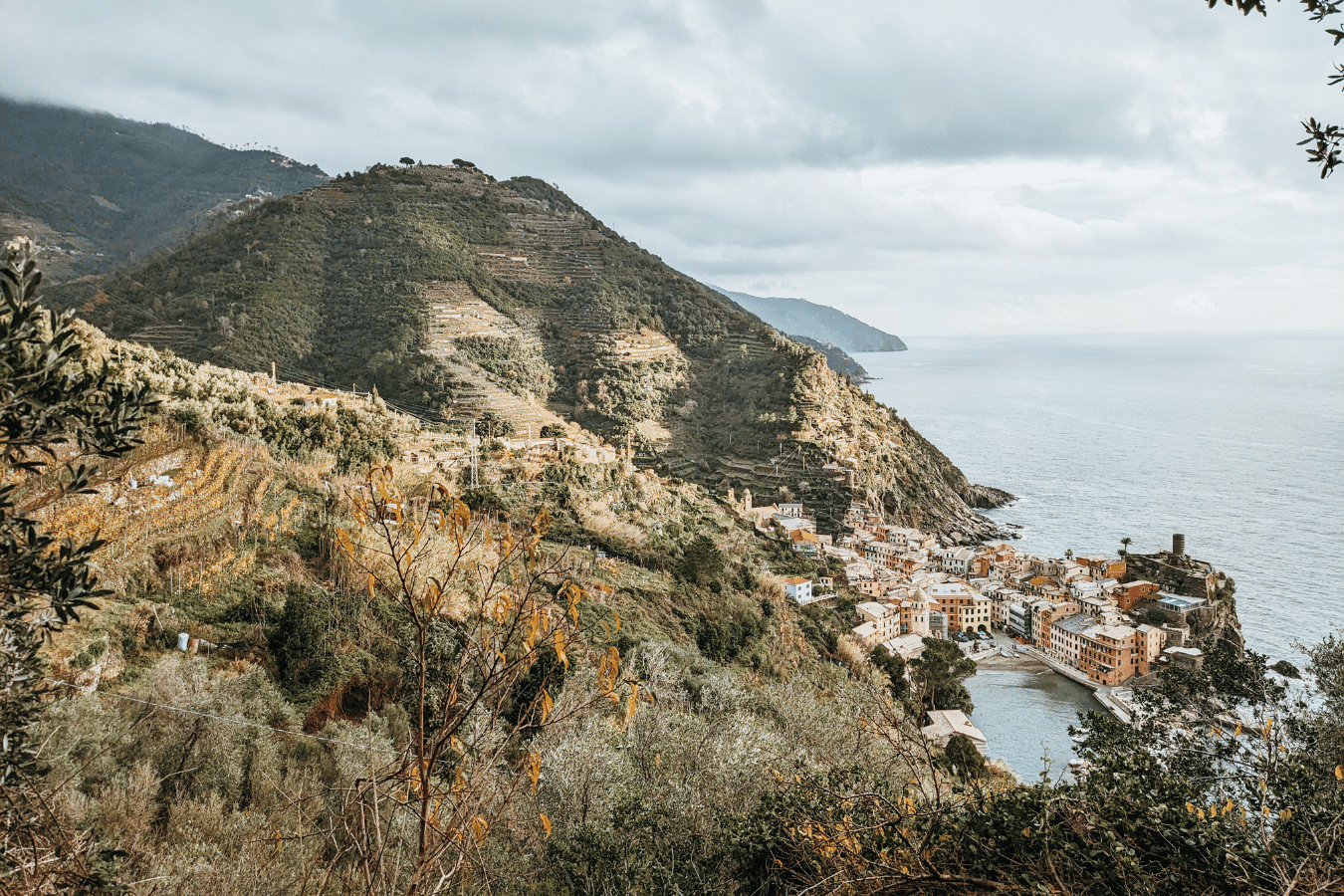
Vernazza, Italy
26. Be Aware of Common Scams
Italy is generally safe, but like any popular destination, it has its fair share of scams and pickpockets, especially in crowded tourist areas and on public transportation.
Watch out for:
- Fake petitions (they’ll ask for your signature, then demand money)
- “Free” bracelets or roses (not actually free)
- Unofficial ticket sellers
Keep your belongings secure: avoid open bags, and never store your wallet in your back pocket.
27. Save Emergency numbers in Your Phone
One of the most important things you can do before travelling somewhere is saving the emergency phone number for that country. Each country has a different emergency number, and you’ll never know when you need it. Save these in your phone before you travel!
-
- 112 – General emergency number
- 118 – Medical emergencies
28. Consider Travel Health Insurance
I always recommend having travel health insurance, even for short trips.There are several different travel health insurance companies out there that you can use based on where you live and the coverage you want.
If you’re an EU resident, you can get a European Health Insurance Card (EHIC) for free, which gives you access to public healthcare in other EU/EEA countries. Keep it with you at all times.
Common Mistakes First-Timers Make

Pisa, Italy
29. Trying to Visit Too Many Cities
One of the most common mistakes people make on their first trip to Italy is squeezing in too many cities into the itinerary. I get it. There are so many beautiful places, and it’s tempting to try and see them all. But trust me, if you try to pack your trip with too many stops, you’ll end up feeling rushed and overwhelmed.
Italy is a big country. Trains are great, but travel days still take time and energy. A good rule of thumb is to spend at least three days in each city. That gives you time to settle in, explore, and actually enjoy what you’re seeing.
If you’re planning a 7-day trip, I suggest focusing on just two cities. It’s better to really experience a few places than to rush through a bunch and barely experience them.
30. Tourist Tax and Passport Checks at Airbnb
Another thing that might surprise you is the tourist tax and the passport check, even if you’re staying at a vacation rental. On my first trip, I thought it was some kind of scam, but it’s actually the law in Italy. Almost every city charges a nightly tourist tax, and you’ll usually pay it in cash when you arrive.
Hotels often include this fee in the booking, but if you’re staying at a vacation rental like an Airbnb or Vrbo, it’s usually collected separately. Most hosts will also ask for a copy of your passport, which they need to report to the local authorities. It might feel a bit odd, but it’s totally normal and nothing to worry about.
31. Booking Through Fake Travel Sites
If you’re planning to book museum or tourist site tickets online, be careful where you click. On my recent trip to Rome, I noticed a ton of third-party websites pretending to be the official booking site for museums and attractions.
Sites like Get Your Guide and Viator are legitimate and offer guided tours, but other sites just resell tickets at higher prices. Some of them even look like the real deal, which makes it super confusing. For the best experience, book tickets either through the official site or a trusted tour company.

Florence, Italy
32. Eating Near Major Tourist Sites
This one is true pretty much anywhere, but especially in Italy. Restaurants right next to tourist landmarks are almost always overpriced and disappointing. You’ll pay two to three times more for food that usually isn’t even that good.
A big red flag is when someone is standing outside trying to lure you in. The best spots won’t have anyone outside yelling for you to come in. They’ll be tucked away on side streets, full of locals, and the food will be way better.
33. Renting a Car When You’re Just Visiting Cities
If you’re only visiting cities, don’t rent a car. It’s one of the most unnecessary expenses you can add to your trip. Public transportation in Italy is reliable, affordable, and way less stressful than navigating Italian roads.
High-speed trains will get you from city to city faster than driving. Parking is a nightmare, and most city centers don’t even allow non-resident cars. Also, traffic cameras are everywhere and super strict. You might not know you broke a rule until you get a stack of tickets in the mail.
Common FAQs

Sardinia, Italy
What is the best time to travel to Italy?
The best time to visit really depends on what kind of trip you’re planning. If you’re dreaming of beach days and warm weather, summer is your best bet. But if you’re more into sightseeing, museums, and charming strolls through historic towns, spring or fall are ideal.
Summer in Italy can be hot and packed with tourists. Many buildings don’t have air conditioning, and popular spots get crowded fast. Personally, I recommend visiting in April, May, September, or October. You’ll get great weather, fewer crowds, and better prices.
And one big tip for travelling to Italy: avoid August if you can. It’s the peak holiday month for Italians, so many businesses close, and prices for everything go up.
Season breakdown:
-
- Low Season (November to March): Cold, quiet, shorter hours, but super affordable. Some places may close for renovations.
- Shoulder Season (April to May, September to October): Best combo of good weather, mild crowds, and good prices.
- Peak Season (June to August): Hot, busy, and pricey.
Can You Swim in the Mediterranean During Shoulder Season?
Yes, you can! I visited Sardinia in May, and the water was definitely warm enough to swim. It wasn’t blazing hot, but it was warm enough for a beach day. If you’re thinking about a spring or early fall beach trip, shoulder season can be perfect. You’ll find fewer tourists, relaxed vibes, and lower prices.
Check out my Sardinia in May post for what to expect when travelling in shoulder season.

Vatican Museum, Vatican City
Do you need a visa when travelling to Italy?
Italy is part of the Schengen Area. If you’re coming from the US, UK, Canada, or Australia, you can stay for up to 90 days without a visa. Just make sure your passport is valid for at least six months after your travel dates.
Starting in 2026, travelers from those countries will need to apply for something called an ETIAS, which is like a quick online travel authorization. It’s not complicated, but it’s worth noting if you’re planning ahead.
Do people in Italy speak English?
In major cities and tourist areas, you’ll find plenty of people who speak at least some English. But in smaller towns or more local spots, English isn’t guaranteed. It’s always a good idea to learn a few basic Italian phrases and locals really appreciate the effort. One of my top tips for travelling to Italy is to download Google Translate and keep it handy. You can even use the camera feature to scan menus and items in grocery stores to translate into English.
Looking for more Italy travel inspiration? You may also enjoy these posts:
Liked this Post? Pin it for Later!


As someone who has never been to Italy, this post was super helpful! I can’t believe a lot of bathrooms don’t have toilet paper!!
Perfect guide for somebody planning a trip to Italy. And I would really underline the point “don’t Try to See All of Italy in One Trip” – amen to that, just too many things to see and do! Also booking your train in advance is absolutely essential
My very first trip to Italy was a 10 day trip to just Rome with a college professor. That’s probably a little long to spend in Rome, but goes to show that you absolutely should not try to pack every major city in one trip! Totally agree with you.