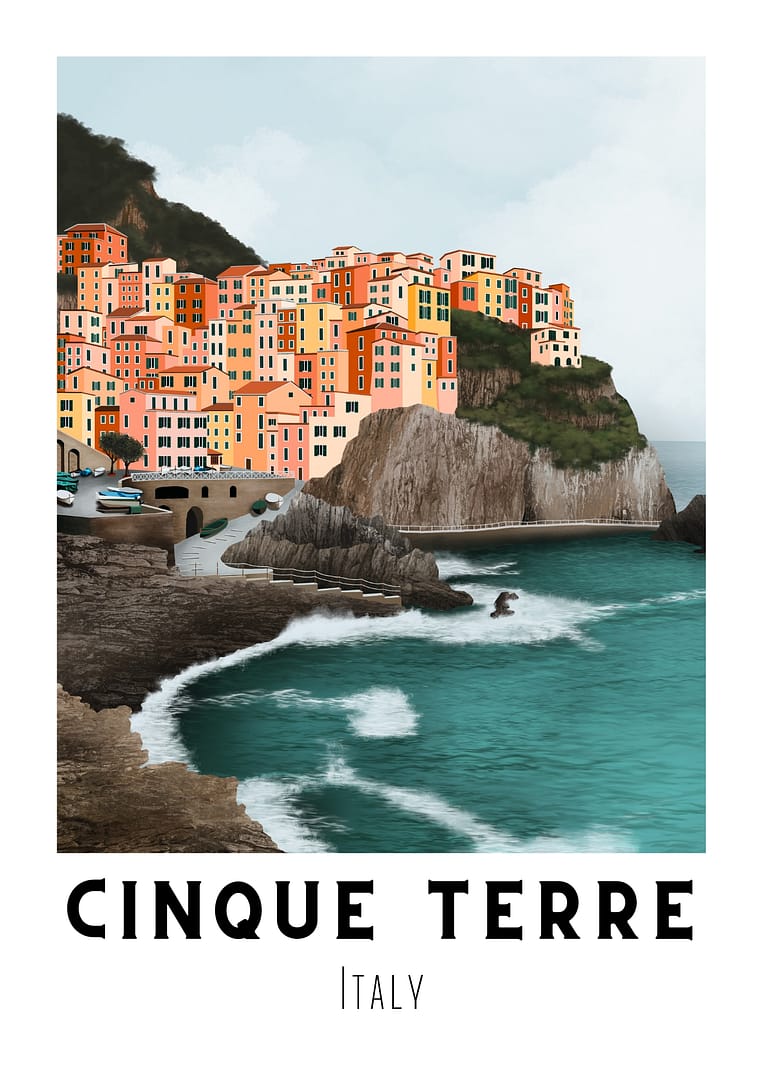
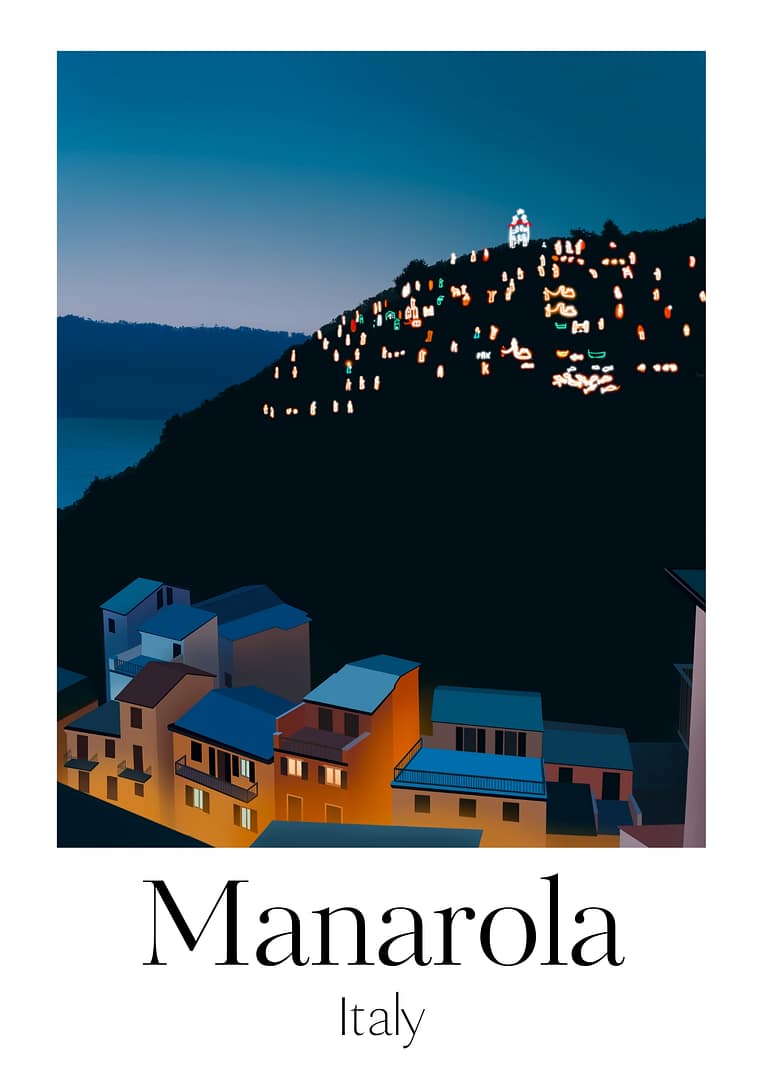
Italy
Tips, Guides, and What to ExpectFun Fact
Italy has the world’s largest number of UNESCO World Heritage Sites, with over 50 places listed! This includes iconic sites like the Colosseum in Rome and the ancient city of Pompeii.
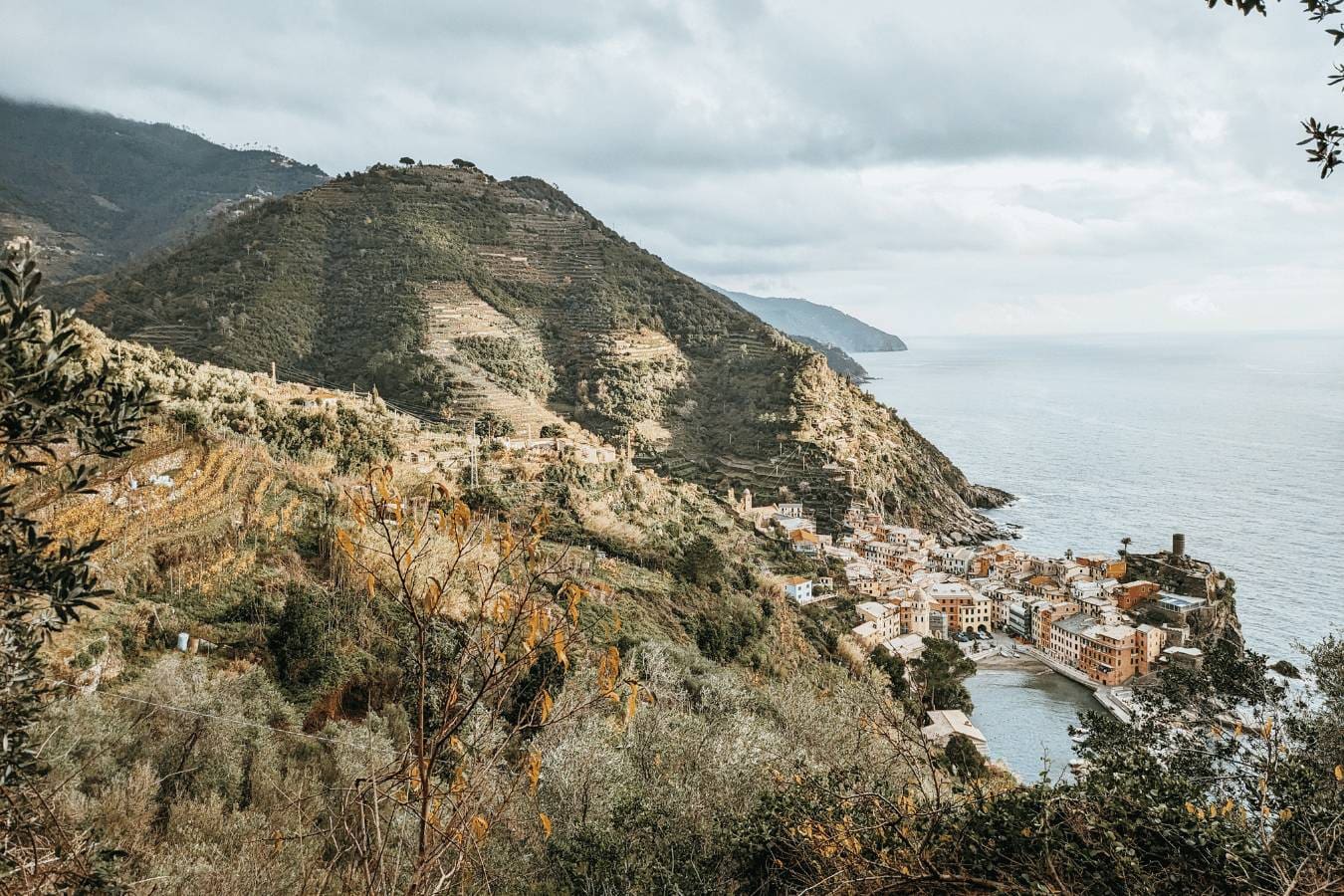
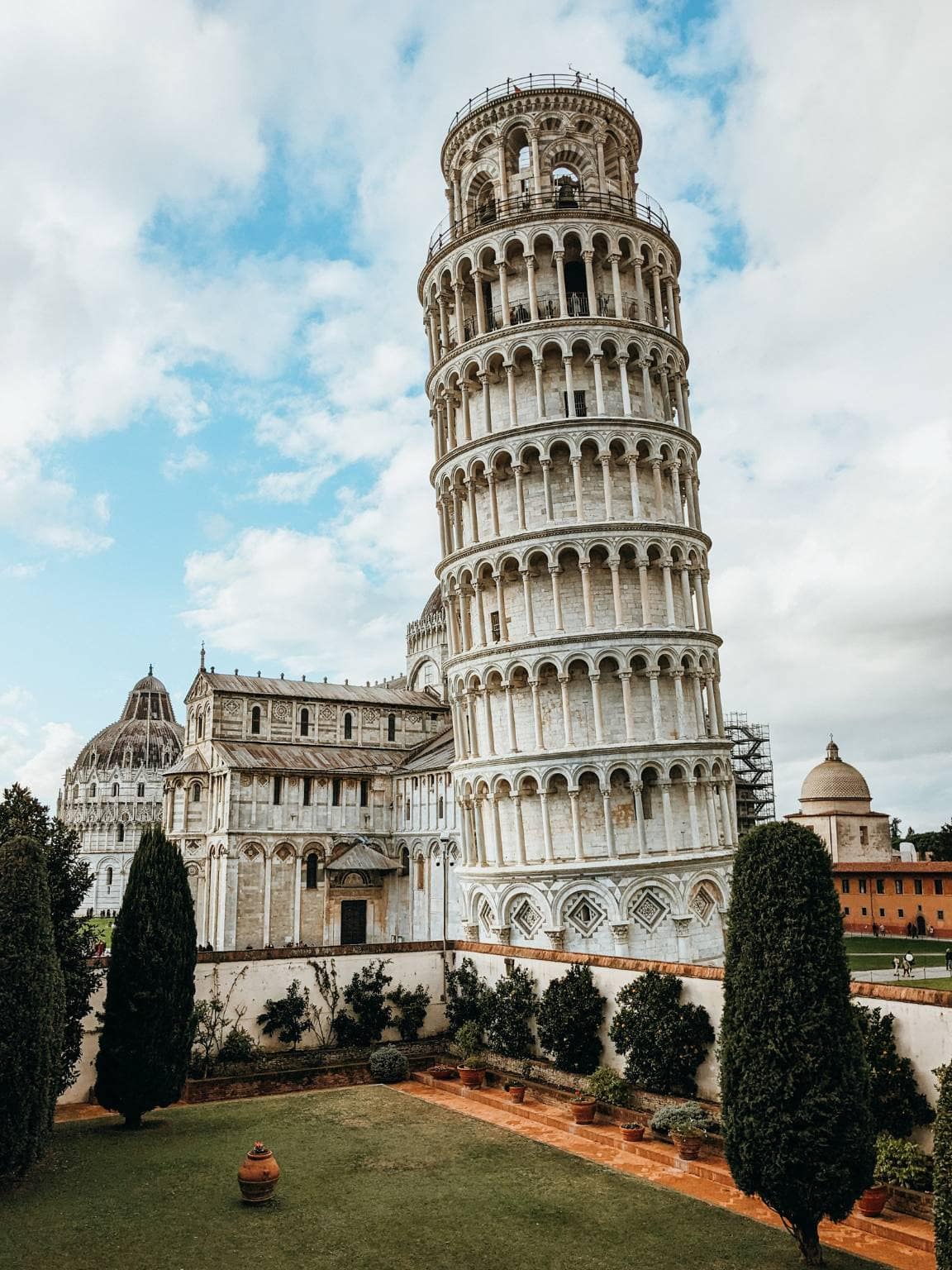
What to Expect
Italy is incredibly diverse, both in terms of landscape and its rich food and culture. Italy is one of those places that I keep visiting, because there is always more to explore. It’s definitely not a place you can fully experience in a week-long trip. When planning your Italy trip, I would recommend focusing on one specific region rather than attempting to see the entire country. Public transportation is reliable and cost-effective, making it a great way to travel. Also, expect that restaurants often close for a few hours in the afternoon between lunch and dinner, especially in smaller cities.
Best & Worst Time to Visit
Personally, I believe any time is the best time for Italy travel. The climate is fairly warm year-round, and while winter isn’t warm enough for swimming, it’s a fantastic time to visit museums and popular locations with fewer crowds.
If I had to choose, the ultimate best time to travel to Italy I would recommend travelling in the spring (April to May) and fall (September to October). During these months, the weather is pleasant, and there are fewer tourists, making it ideal for sightseeing and outdoor activities like swimming.
I would highly recommend avoiding Italy during the summer if you can. Summer (June, July, and August) can be quite hot and crowded, especially in popular destinations like Rome, Florence, and Venice.
What You Should Bring
These are general must-have items when travelling to Italy
- Comfortable walking shoes, as there are many cobblestone streets and uneven paths
- Travel adapter type C, F, or L
- Sunscreen
- Some cash, just in case
Languages
Italian is the official language and is spoken by the vast majority of the population. However, various regional languages and dialects add to the linguistic diversity of the country. For example, Sardinian is spoken in Sardinia, while Sicilian is used in Sicily. In addition to these, you’ll find German-speaking communities in South Tyrol and French-speaking areas in the Aosta Valley. English is widely understood in tourist areas, making Italy travel easier, but it’s always appreciated to learn a few basic Italian phrases.
Currency
The currency used in Italy is the Euro. Credit cards are widely accepted, but it’s wise to carry a few notes, especially if you plan on visiting smaller, rural areas.
Most Recent Posts

I spent a long weekend in Alghero, Sardinia, and it was such a lovely...

Cinque Terre feels almost unreal the first time you see it. The villages...

Cinque Terre has exploded in popularity thanks to Instagram and Pixar’s...

I love hiking and I’m always looking for hiking destinations to visit....

Have you ever thought about visiting Cinque Terre in winter? If you enjoy...

Whether you are Catholic or not, Christmas Eve Mass at the Vatican is an...

I feel like every summer my instagram feed turns into a highlight reel of...

Last year, I took a girls’ trip to Sardinia in May, timing it with the...

This is a comprehensive guide to visiting Pompeii, specifically for...

During my recent trip to Italy, I decided to take a day trip from Rome to...
Top Experiences


Italy Travel Art